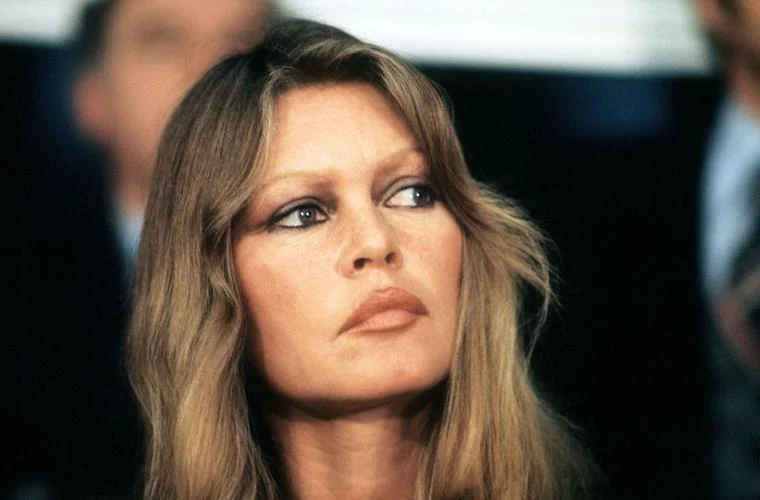
Imagine a time when cinema screens lit up with a face that captured the wild spirit of post-war freedom—a tousled blonde mane, those piercing eyes, and a pout that could melt hearts or spark scandals. That’s how I first encountered Brigitte Bardot, flipping through old magazines in my grandma’s attic as a kid. She wasn’t just an actress; she was a symbol, a force who redefined femininity and later channeled that fire into saving animals. Now, at 91, Bardot has left us, passing peacefully at her Saint-Tropez home on December 28, 2025, surrounded by her husband and the causes she cherished. Her death marks the end of an era, but her legacy—from silver screen icon to fierce activist—continues to inspire and provoke. Let’s dive into the life of this enigmatic woman, exploring her triumphs, transitions, and the controversies that made her unforgettable.
Early Life: From Parisian Ballerina Dreams to Modeling Breakthrough
Born Brigitte Anne-Marie Bardot on September 28, 1934, in Paris, she grew up in a strict Catholic family amid the shadows of World War II. Her father, an engineer, enforced rigid rules, while her mother nurtured her ballet aspirations. I remember reading how young Brigitte battled amblyopia, a vision issue that didn’t dim her sparkle. By 15, she graced Elle magazine covers, her fresh face launching a modeling career that caught director Roger Vadim’s eye—setting the stage for stardom.
Childhood Challenges and Family Dynamics
Amblyopia left her left eye weaker, but ballet classes at the Conservatoire de Paris built her grace and poise. Strict parental discipline clashed with her rebellious streak, foreshadowing a life of defying norms. These early tensions shaped her independent spirit, much like the characters she’d later portray.
Entry into Fashion and Early Recognition
At 15, Elle’s cover shot her into the spotlight, earning her “B.B.” nickname from fans. Modeling gigs led to small film roles, blending innocence with allure. This phase honed her camera presence, paving the way for cinematic breakthroughs.
Rise to Fame: Becoming the Ultimate Sex Symbol in the 1950s
Bardot’s breakthrough came with 1956’s “And God Created Woman,” directed by Vadim, her first husband. The film shocked audiences with her sensual portrayal, earning her “sex kitten” label from critics. I once watched it late at night, struck by how she embodied liberation in a conservative era—dancing barefoot, exuding raw confidence. It grossed millions, making her France’s top export and a global icon, influencing fashion with bikinis and beehives.
Key Films That Defined Her Career
“And God Created Woman” scandalized the U.S., leading to theater arrests for obscenity. “The Truth” (1960) earned her a David di Donatello award for raw emotional depth. These roles cemented her as a New Wave muse, blending vulnerability with seduction.
Influence on Fashion and Pop Culture
Her style—off-shoulder tops, capris, and natural makeup—inspired generations, even Beatles songs like “Michelle.” Bardot’s image graced Playboy, fueling her mythic status. Yet, behind the glamour, she battled the pressures of fame, hinting at future retreats.
Peak Stardom: International Hits and Musical Ventures in the 1960s
The ’60s saw Bardot conquer Hollywood with films like “Contempt” (1963), directed by Jean-Luc Godard, where she played a disillusioned wife opposite Michel Piccoli. Her chemistry sizzled, but off-screen affairs added tabloid fuel. She dabbled in music, recording over 60 songs with Serge Gainsbourg, including the steamy “Je t’aime… moi non plus.” Thinking back, her voice had this husky charm that paired perfectly with her screen persona—playful yet profound.
Collaborations with Iconic Directors
Godard’s “Contempt” showcased her dramatic range, earning critical acclaim. Louis Malle’s “Viva Maria!” (1965) paired her with Jeanne Moreau in a comedic adventure, netting a BAFTA nod. These projects highlighted her versatility beyond the bombshell trope.
Music Career Highlights
Hits like “Harley Davidson” and “Bubble Gum” captured ’60s pop essence. Her duet with Gainsbourg, initially shelved for explicitness, became a cultural touchstone. Albums blended chanson with rock, expanding her artistic footprint.
Personal Life: Marriages, Romances, and Turbulent Relationships
Bardot’s love life was as headline-grabbing as her films—four marriages, countless affairs. First to Vadim (1952-1957), who directed her breakthrough. Then Jacques Charrier (1959-1962), father of her only son, Nicolas, a relationship marred by postpartum struggles. Gunter Sachs (1966-1969) brought glamour, while Bernard d’Ormale (1992-2025) offered stability in her activist years. I recall stories of her flings with stars like Warren Beatty—whirlwind romances that mirrored her on-screen passion but often ended in heartbreak.
Four Marriages and Their Impacts
Vadim launched her career but jealousy eroded their bond. Charrier’s union brought motherhood, yet she later called her son a “tumor,” straining ties until reconciliation. Sachs’ lavish gestures couldn’t hold her; d’Ormale shared her political views, lasting till the end.
High-Profile Affairs and Scandals
Romances with Gainsbourg and Sacha Distel fueled gossip columns. Suicide attempts in 1958 and 1960 revealed the toll of scrutiny. These personal storms humanized her, showing vulnerability beneath the icon.
Retirement from Acting: A Bold Exit at Age 39 in 1973
At her peak, Bardot stunned the world by retiring after 1973’s “The Edifying and Joyous Story of Colinot.” “I wanted to leave elegantly,” she said, tired of exploitation. This pivot felt like a plot twist in her own story—swapping spotlights for solitude in Saint-Tropez. Her final films, like “Don Juan” with Vadim, hinted at closure, allowing her to reclaim her narrative.
Reasons Behind Her Sudden Retirement
Fame’s invasiveness overwhelmed her; paparazzi hounded her relentlessly. She sought authenticity, away from typecasting as a sex symbol. This decision empowered her to focus on passions beyond Hollywood.
Last Films and Farewell to Cinema
“Don Juan” reimagined her as a female seducer, a fitting swan song. Post-retirement, she avoided cameos, preserving her mystique. Fans mourned, but she never looked back.
Transition to Activism: Founding the Brigitte Bardot Foundation
Post-1973, Bardot channeled her fame into animal rights, founding the Fondation Brigitte Bardot (FBB) in 1986 after auctioning jewels for funds. Her 1977 seal hunt protest with Sea Shepherd marked the start—lying on ice with pups, drawing global attention. I’ve always admired how she traded glamour for grit, campaigning against fur, bullfighting, and factory farming with unyielding zeal.
Early Activist Efforts and Inspirations
Witnessing seal clubbing horrified her; she became vegetarian, urging boycotts. Influences like Paul Watson fueled her Sea Shepherd involvement, renaming a ship after her in 2011.
Key Campaigns and Achievements
FBB sterilized strays in Bucharest, saved bears in China, and lobbied against horse meat. Awards like UNEP’s Global 500 (1992) recognized her impact. Her open letters to leaders amplified causes worldwide.
Controversies: Political Views and Legal Battles
Bardot’s activism intersected with controversy; her far-right leanings, supporting Marine Le Pen, drew ire. Fined five times for inciting racial hatred—criticizing Muslims and Réunion islanders as “savages”—she sparked debates on free speech. It’s a thorny part of her story, blending passion with prejudice, reminding us icons are flawed.
Support for Far-Right Politics
Endorsing Le Pen in 2012 and 2017, she echoed anti-immigration sentiments. Her husband d’Ormale’s ties to Jean-Marie Le Pen fueled perceptions of extremism.
Racial Hatred Convictions and Public Backlash
Books like “Un Cri dans le Silence” (2003) led to €15,000 fines for anti-Islam remarks. She dismissed #MeToo as “hypocritical,” alienating feminists. These stances overshadowed her animal work for many.
Health Struggles: Battles with Cancer and Recent Hospitalizations
Bardot faced breast cancer in 1984, opting for radiation over chemotherapy. In October 2025, a serious illness required surgery, from which she recovered briefly. Her resilience shone through, even in her final interview, discussing health with candid humor— “I’m still kicking, but slower.”
Breast Cancer Diagnosis and Treatment
Refusing conventional meds, she embraced holistic paths, surviving to advocate further. This battle deepened her empathy for suffering beings.
Final Years and Health Decline
Living reclusively at La Madrague, she avoided tech, focusing on foundation work. Her 2025 hospitalization signaled frailty, culminating in her peaceful passing.
Legacy: Impact on Cinema, Fashion, and Animal Welfare
Bardot’s influence endures—from inspiring Beatles’ lyrics to modern stars like Kate Moss emulating her style. Her foundation continues rescues, while films like “Contempt” remain classics. Yet, her legacy is dual-edged: a liberator who later divided opinions. As a fan, I see her as a complex trailblazer, flaws and all.
Enduring Cultural Influence
Statues in Saint-Tropez honor her; fashion revivals keep her alive. She symbolized sexual revolution, empowering women through unapologetic sensuality.
Contributions to Animal Rights Movement
FBB’s global campaigns saved countless lives, inspiring activists. Her bold protests set precedents for celebrity advocacy.
Brigitte Bardot Films: A Comprehensive Table
Here’s a snapshot of her iconic roles, highlighting box-office hits and awards:
| Year | Film Title | Role | Notable Achievements | Box Office Impact |
|---|---|---|---|---|
| 1956 | And God Created Woman | Juliette Hardy | Established as sex symbol; Victoires du Cinéma Best Actress | $4 million in US; highest-grossing foreign film |
| 1960 | The Truth | Dominique Marceau | David di Donatello Best Foreign Actress | Nominated for Oscar Best Foreign Film |
| 1963 | Contempt | Camille Javal | Critically acclaimed; BAFTA nod | Cult classic; influenced New Wave cinema |
| 1965 | Viva Maria! | Maria II | BAFTA Best Foreign Actress nomination | Major hit in France and abroad |
| 1973 | Don Juan (or If Don Juan Were a Woman) | Jeanne | Final role; directed by Vadim | Marked retirement at peak |
This table shows her evolution from ingenue to dramatic force.
Comparison: Bardot vs. Contemporary Icons Like Marilyn Monroe
Bardot and Monroe both embodied ’50s sensuality, but differences abound. Monroe’s tragic vulnerability contrasted Bardot’s defiant independence—Monroe died young, Bardot retired to activism. Bardot’s French flair added intellectual edge, while Monroe’s Hollywood polish shone brighter commercially.
Similarities in Stardom and Struggles
Both faced typecasting as blond bombshells, enduring paparazzi invasions. Affairs and mental health battles paralleled, evoking empathy.
Differences in Career Trajectories
Monroe pursued dramatic roles like “The Misfits”; Bardot embraced European arthouse. Post-fame, Bardot thrived in activism, outliving Monroe by decades.
Pros and Cons: Bardot’s Shift from Acting to Activism
- Pros: Gained purpose, saved animals globally; escaped exploitation; inspired eco-movements.
- Cons: Alienated fans with politics; controversies overshadowed art; reclusive life limited cultural engagement.
This move empowered her but complicated her image.
Where to Watch Bardot’s Films and Learn More
Stream classics on platforms like Criterion Channel or Netflix— “Contempt” is a must. For activism, visit Fondation Brigitte Bardot to donate or adopt. Books like her memoir “Initiales B.B.” offer insights; check Amazon for deals.
Emotional Reflections: The Woman Behind the Myth
There’s a poignant sadness in Bardot’s story— a girl who danced into fame, only to flee its glare. Her love for animals felt pure, a redemption arc amid scandals. With a chuckle, she’d probably say, “I preferred dogs to directors anyway.” Her passing tugs at nostalgia, reminding us of lost glamour.
Looking Ahead: Bardot’s Enduring Influence in 2026 and Beyond
In 2026, expect biopics and retrospectives; her foundation thrives, pushing anti-cruelty laws. Fashion revivals and animal rights gains ensure her spirit lives on— a testament to reinvention.
Predictions for Cultural Tributes
Film festivals may honor her; statues and exhibits celebrate her style. Activism could see renewed funding in her name.
Ongoing Work of Her Foundation
FBB plans expanded rescues, lobbying for bans on fur imports. Her legacy drives global change.
People Also Ask: Real Questions from Google Searches
Drawing from recent queries post her death, here’s what people wonder:
- What caused Brigitte Bardot’s death? Bardot passed peacefully at home on December 28, 2025; no specific cause was disclosed, following a recent illness and surgery.
- Why did Brigitte Bardot retire from acting? At 39, she quit to escape fame’s pressures, seeking a dignified exit and focusing on personal fulfillment.
- What was Brigitte Bardot’s role in animal rights? She founded FBB in 1986, campaigning against seal hunts, bullfighting, and more, earning UN awards for her efforts.
- What controversies surrounded Brigitte Bardot? Convicted multiple times for racial hatred, she criticized immigration and Islam, supporting far-right politics.
FAQ: Addressing Common Queries on Bardot’s Life and Legacy
- How many films did Brigitte Bardot star in? She appeared in 47 films, from comedies to dramas, retiring after “The Edifying and Joyous Story of Colinot” in 1973.
- Who were Brigitte Bardot’s husbands? She married Roger Vadim (1952-1957), Jacques Charrier (1959-1962), Gunter Sachs (1966-1969), and Bernard d’Ormale (1992-2025).
- What is the Brigitte Bardot Foundation? Established in 1986, it focuses on animal welfare, funding rescues and campaigns worldwide—donate via their site.
- Did Brigitte Bardot have children? Yes, one son, Nicolas-Jacques Charrier, born in 1960; their relationship mended after early strains.
- How did Brigitte Bardot influence fashion? Her bikini, beehive hair, and casual chic defined ’60s style; brands still reference her effortless elegance.
Brigitte Bardot wasn’t just a star—she was a storm, reshaping worlds from cinema to compassion. Her death closes a chapter, but her fire lingers. Whether admiring her films or supporting her causes, she challenges us to live boldly. Here’s to B.B., forever iconic.