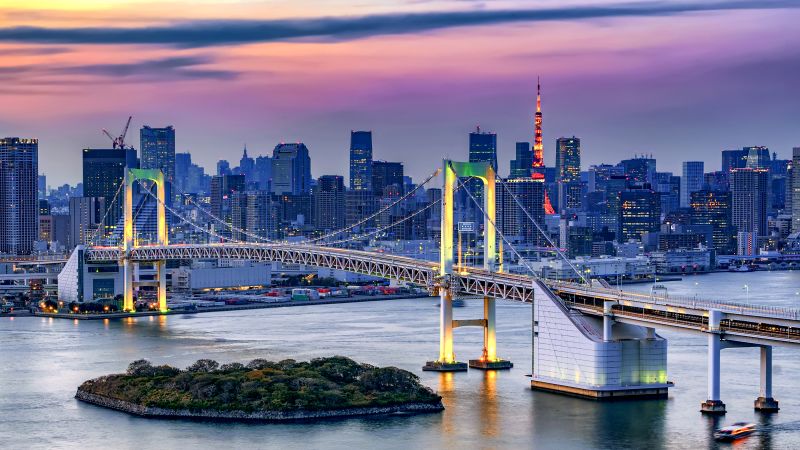
I remember my first trip to Tokyo like it was yesterday—stepping out of Tokyo Station into a whirlwind of skyscrapers, neon lights, and endless crowds. It felt overwhelmingly modern, almost futuristic. But then I wandered into the Imperial Palace grounds, and suddenly I was surrounded by ancient stone walls and serene moats. It hit me: this city isn’t just a product of the 20th century; it’s layered with centuries of history. At its core lies Edo, the bustling metropolis of the Tokugawa era that grew from a modest castle town into the world’s largest city by the 18th century. Edo’s blueprint—its layout, culture, and spirit—still pulses through modern Tokyo. I’ve returned many times since, always finding new echoes of that past, and it’s what makes Tokyo so endlessly fascinating.
The Rise of Edo: From Fishing Village to Global Giant
Edo started as a humble fishing village on marshy land near Tokyo Bay, but everything changed when Tokugawa Ieyasu chose it as his base after victory at Sekigahara in 1600. By 1603, he was shogun, and Edo became the de facto capital. Massive land reclamation turned bays into buildable ground, canals crisscrossed the city for transport, and a spiraling moat system protected the new castle. Within a century, Edo’s population topped one million—larger than London or Paris at the time. I once stood on the Sumida River bank imagining those wooden boats laden with goods; it’s humbling to think how ambition transformed a swamp into a powerhouse.
Tokugawa Ieyasu’s Visionary Urban Planning
Ieyasu’s engineers filled estuaries and dug canals, creating a “city of water” that facilitated trade and defense. The castle sat at the center, with samurai estates in concentric rings and merchant quarters farther out. This hierarchical zoning influenced where neighborhoods thrive today—it’s like the city’s DNA.
The Great Fires and Edo’s Resilience
Edo suffered over 100 major fires, earning them the wry nickname “flowers of Edo.” Each blaze led to wider streets and firebreaks, shaping a resilient urban fabric that helped Tokyo rebuild after later disasters.
Edo’s Layout: The Foundation of Modern Tokyo’s Streets
If you overlay an old Edo map on today’s Tokyo, the overlaps are striking—the Yamanote Line follows old highways, and stations like Shinjuku and Shibuya were once post towns on the Five Routes radiating from Nihonbashi. Canals that carried rice and fish now underpin subway lines or parks. Walking Marunouchi, once part of the bay, feels surreal knowing it’s reclaimed land from Ieyasu’s era.
Nihonbashi: The Heart of Commerce Then and Now
Nihonbashi Bridge was Edo’s “kilometer zero,” the starting point for all major roads. It buzzed with merchants and fish markets. Today, it’s a financial hub with the Bank of Japan and Tokyo Stock Exchange nearby—same energy, updated skyline.
The Sumida River’s Enduring Role
The Sumida was Edo’s lifeline for goods and pleasure cruises. Fireworks festivals and riverside teahouses defined leisure. Modern boat tours and summer hanabi displays keep that tradition alive—I’ve taken one at dusk, and the city lights reflecting on the water felt timeless.
Cultural Legacy: Ukiyo-e, Kabuki, and Everyday Life
Edo birthed a vibrant commoner culture—ukiyo-e prints captured fleeting pleasures, kabuki theaters drew crowds, and sushi originated as fast food for busy merchants. This “floating world” ethos of embracing the moment still flavors Tokyo’s pop culture, from anime to street fashion. I laughed discovering my love for nigiri ties back to Edo street vendors—history you can taste!
Asakusa and Yanaka: Living Edo Neighborhoods
Asakusa’s Sensoji Temple was Edo’s spiritual hub, drawing pilgrims and revelers. Nakamise Street’s shops echo old stalls. Nearby Yanaka survived bombings, preserving narrow alleys, temples, and a cat-loving vibe—strolling there feels like stepping into a quieter era.
Gardens and Green Spaces from Daimyo Estates
Many parks, like Rikugien or Koishikawa Korakuen, were daimyo gardens. Designed for poetic strolls, they offer respite amid the concrete jungle—perfect for pondering how Edo elites unwound.
The Imperial Palace: Edo Castle Reimagined
At Tokyo’s heart stands the Imperial Palace, built on Edo Castle’s vast grounds. Moats, stone walls, and gates remain, whispering of shogunal power. The East Gardens let you walk former honmaru foundations—I’ve picnicked there, feeling the weight of history under cherry blossoms.
Transition from Shogunate to Empire
In 1868, the Meiji Restoration ended Edo’s era, renaming it Tokyo and moving the emperor here. The castle became the palace, symbolizing a new Japan blending tradition with modernity.
Surviving Structures and Hidden Gems
Gates like Sakurada-mon witnessed dramatic events; exploring them connects you to pivotal moments.
Edo vs. Modern Tokyo: A Comparison
| Aspect | Edo Period | Modern Tokyo | Key Continuity |
|---|---|---|---|
| Population | Over 1 million by 1700s | 14 million (metro 38 million) | World’s largest city status |
| Layout | Castle-centered, canals, hierarchies | Skyscrapers, subways, Yamanote Line | Road networks, neighborhood roles |
| Culture | Ukiyo-e, kabuki, merchant-driven | Anime, fashion, pop culture | Embracing ephemerality and trends |
| Transport | Boats, palanquins, walking | Trains, cars, bikes | Hub-and-spoke from Nihonbashi |
| Disasters | Frequent fires | Earthquakes, WWII bombings | Resilience in rebuilding |
This table shows how Edo’s innovations scaled up—fascinating evolution.
Pros and Cons of Edo’s Influence on Tokyo
- Pros: Rich cultural depth, walkable neighborhoods, disaster-resilient planning, unique identity blending old and new.
- Cons: Congestion from old narrow streets, limited space for expansion, preservation challenges amid growth.
People Also Ask (PAA)
What was Edo called before Tokyo?
Edo was the name from the 12th century, becoming the shogunate capital in 1603. Renamed Tokyo (“Eastern Capital”) in 1868 during Meiji Restoration.
How did Edo become Tokyo?
After overthrowing the shogunate, Emperor Meiji moved the capital from Kyoto to Edo, renaming it Tokyo to signify a modern era.
Where can I see Edo history in Tokyo?
Top spots: Imperial Palace East Gardens, Asakusa Sensoji, Yanaka neighborhood, Edo-Tokyo Museum (reopening 2026), Sumida River walks.
Why is Tokyo’s old name Edo?
Derived from “estuary entrance,” reflecting its bay location—poetic for a city that opened Japan to the world.
Best Places to Experience Edo in Tokyo
Start at the Edo-Tokyo Open Air Architectural Museum in Koganei Park—relocated buildings let you step inside Edo homes. For immersion, visit Fukagawa Edo Museum with life-size street recreations.
Top Museums and Sites
- Edo-Tokyo Museum (Ryogoku): Scale models and artifacts—interactive history lesson.
- Sumida Hokusai Museum: Dive into ukiyo-e that defined Edo aesthetics.
FAQ
Is any part of old Edo still visible in Tokyo?
Yes—stone walls at the Imperial Palace, Yanaka’s alleys, Nihonbashi’s bridge marker, and temple districts like Asakusa preserve the feel.
What happened to Edo Castle?
It became the Tokyo Imperial Palace; remnants like moats and gardens are public, the residence private.
How long was Edo the capital of Japan?
De facto from 1603-1868 (265 years) under Tokugawa; officially Tokyo from 1868 onward.
Can you visit Edo Castle today?
The East Gardens are free; palace tours require booking—great for history buffs.
What’s the best way to explore Edo-era Tokyo?
Walk Yanaka or Asakusa, cruise the Sumida, visit museums—combine with a guide for deeper stories.
Tokyo’s magic lies in these layers—Edo’s ingenuity underpins the neon chaos. Next time you’re there, pause amid the rush; you might hear echoes of rickshaws or feel the shogun’s shadow. For more, check the Edo-Tokyo Museum site or GO TOKYO guides. History isn’t gone—it’s the foundation we’re walking on.