Remember that one time I was chatting with an old buddy from Texas over barbecue, and he joked that oil is like the blood running through America’s veins? Well, fast forward to today, and that quip feels eerily spot on with the bombshell news out of Washington. On January 3, 2026, President Donald Trump announced a stunning U.S. military operation that captured Venezuelan leader Nicolás Maduro, paving the way for American oversight of the country’s vast oil fields. It’s the kind of geopolitical drama that could reshape global energy markets, and honestly, it hit me like a plot twist in a thriller novel—I had to double-check the headlines to believe it.
The Shocking Announcement That Shook the World
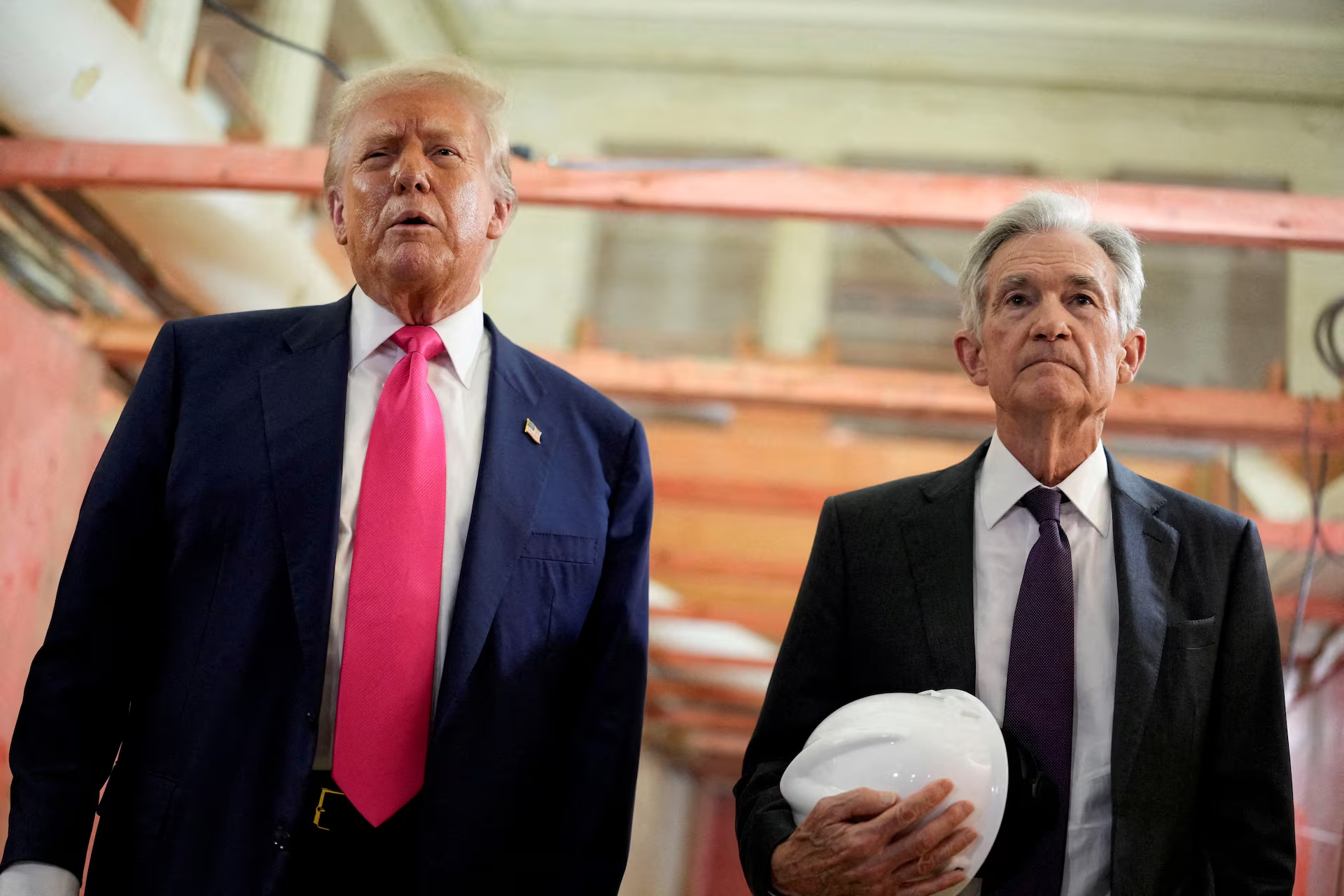
Trump’s press conference at Mar-a-Lago wasn’t your typical political briefing; it felt more like a victory lap with high stakes. He declared the U.S. had executed a “large-scale strike” on Venezuela, snatching Maduro and his wife from their beds and flying them to New York for narco-terrorism charges. But the real jaw-dropper? Trump vowed the U.S. would “run the country” temporarily, with American oil giants stepping in to revive Venezuela’s crumbling infrastructure. It’s a move that screams old-school power play, reminding me of those Wild West stories where prospectors rush in for gold—except here, it’s black gold.
Why Venezuela’s Oil Is the Prize Everyone’s Eyes Are On
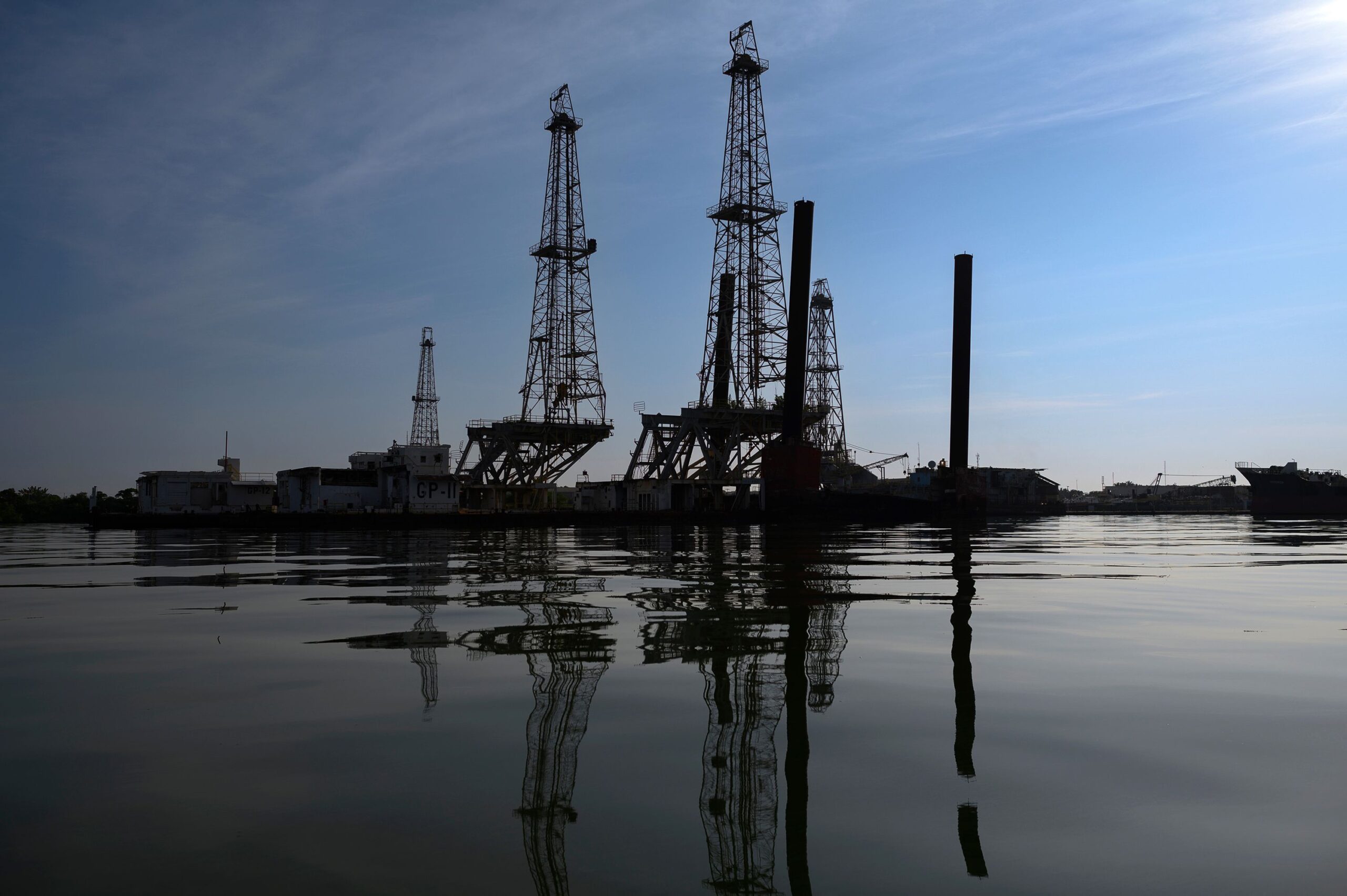
Venezuela isn’t just another dot on the map; it’s sitting on a treasure trove that could make even Saudi Arabia envious. With proven reserves topping 303 billion barrels—the largest on the planet—this South American nation holds about 17% of global oil stashed away, mostly in the sticky, heavy crude of the Orinoco Belt. Back in my traveling days, I visited the region and saw firsthand how those vast fields stretch like an endless sea, but years of neglect have turned potential riches into a rusty mess. Trump’s plan? Pump billions into fixes so U.S. companies can extract and sell it worldwide, potentially flooding markets with cheap fuel.
Historical Context: From Oil Boom to Bust in Venezuela
Picture this: In the 1920s, when Shell struck oil in Maracaibo, Venezuela exploded onto the world stage, pumping out millions of barrels daily and becoming a founding OPEC member. By the 1970s, production hit 3.5 million barrels per day, fueling a golden era of wealth that built highways and hospitals. But fast-forward through nationalizations under Hugo Chávez and sanctions under Maduro, and it’s a different story—output plummeted to around 1 million barrels, leaving refineries in ruins. I once heard a Venezuelan expat share how his family lost everything in the crash; it’s heartbreaking, like watching a lottery winner go bankrupt overnight.
The Role of U.S. Sanctions in Crippling Venezuela’s Oil Sector
U.S. sanctions, ramped up during Trump’s first term, were like a chokehold on Venezuela’s economy, blocking tech and investment needed for heavy crude extraction. Maduro’s regime funneled oil to allies like China and Russia, but mismanagement led to decaying pipelines and worker exodus. Trump’s latest move lifts that veil, promising a reboot, though experts warn it’ll take years—much like trying to revive an old car that’s been sitting in the garage for decades, rusty and forgotten.
Geopolitical Ramifications of the U.S. Takeover
This isn’t just about oil; it’s a chess game on the global board. By “running” Venezuela, the U.S. asserts dominance in its backyard, countering influences from Beijing and Moscow who’ve propped up Maduro. Latin American neighbors are fuming, calling it a sovereignty violation, while the UN expresses alarm over potential international law breaches. It reminds me of family reunions where one relative takes charge and everyone else grumbles—except here, the stakes involve nukes and alliances that could shift hemispheric power.
International Reactions: Condemnation and Caution
From China’s “deep shock” and strong condemnation to Cuba’s fiery denials of U.S. legitimacy, reactions poured in like a storm. European leaders urged restraint, emphasizing rule of law, while some South American nations like Brazil labeled it a “criminal attack.” Even allies tread carefully, with the UN calling it alarming—it’s like the world holding its breath, wondering if this sparks a new Cold War chill or just a fleeting diplomatic hiccup.
Potential Alliances and Conflicts Arising
Russia and Iran, key Maduro backers, vowed support for any resistance, hinting at proxy tensions. Meanwhile, opposition figures like María Corina Machado hailed it as liberation, potentially forging new U.S.-friendly ties. But armed groups in Venezuela could ignite guerrilla warfare, turning a quick win into a quagmire—much like those endless home renovation projects that start simple and end in chaos.
Economic Implications for Global Oil Markets
If Trump pulls this off, oil prices could dip long-term as Venezuela’s supply surges, easing U.S. reliance on Canadian heavy crude. Analysts predict a bearish signal, with futures already jittery, though weekend trading hides the full impact. Short-term? Possible spikes from instability, but unlocking those reserves might slash inflation worldwide—imagine filling your tank cheaper, like finding a forgotten discount coupon in your wallet.
Impact on U.S. Energy Independence and Prices
America’s refineries crave Venezuela’s heavy crude, perfect for diesel and asphalt. Reopening flows could boost efficiency, cutting import costs and bolstering energy security against Russian supplies. Consumers might see gas prices stabilize, a welcome relief after years of volatility—though, let’s be real, Big Oil profits could skyrocket first, leaving us wondering who really wins.
Effects on OPEC and Other Oil-Producing Nations
OPEC might scramble as Venezuela ramps up, challenging Saudi dominance and forcing quota tweaks. Nations like Nigeria or Iraq could face squeezed markets, while non-OPEC players watch warily. It’s a shake-up that could rewrite alliances, with humor in the irony: the U.S., once OPEC’s foe, now eyeing a seat at the table through backdoor control.
Legal and Ethical Considerations
Under international law, seizing a leader and controlling a sovereign nation screams violation—think UN Charter prohibitions on force. Experts argue it’s akin to Iraq or Afghanistan interventions, but without broad coalitions, risking isolation. Ethically, it’s thorny: liberating from a brutal regime versus imperial overreach? I recall debating this with friends over coffee, split between “ends justify means” and “slippery slope to anarchy.”
Is This Move Legal Under International Law?
Most legal minds say no—the raid likely breaches sovereignty norms, despite U.S. claims of self-defense against drugs. Immunity for heads of state adds fuel, even if Maduro’s legitimacy is questioned. Without UN backing, it’s unilateralism on steroids, potentially setting precedents that boomerang.
Human Rights Concerns in the Transition
While ousting Maduro ends reported abuses, U.S. oversight raises fears of imposed governance ignoring local voices. Transitional justice must address victims, but rushed elections could spark unrest—balancing act like walking a tightrope while juggling ethics and power.
Environmental Impacts of Reviving Venezuela’s Oil Industry
Heavy crude extraction is messy, risking spills in fragile ecosystems like the Orinoco. Rampant production could spike emissions, clashing with global green goals. Yet, modern U.S. tech might minimize damage, turning a polluter into a somewhat cleaner operator—ironic, like dieting while eyeing a buffet.
Risks to Biodiversity in the Orinoco Belt
This region’s rainforests and rivers teem with life, threatened by drilling. Past leaks devastated communities; new ops must prioritize eco-safeguards, or it’s environmental roulette—I’ve seen photos of oil-slicked wildlife that break your heart.
Opportunities for Sustainable Development
U.S. involvement could introduce green tech, like carbon capture, blending oil wealth with renewables. Investing in solar alongside pumps might model hybrid energy, though skeptics call it greenwashing—hopeful twist in a fossil-fueled tale.
Pros and Cons of U.S. Control Over Venezuelan Oil
- Pros: Stabilizes Venezuela’s economy, lowers global oil prices, boosts U.S. energy security, potentially funds humanitarian aid.
- Cons: Risks prolonged conflict, international backlash, environmental harm, ethical imperialism.
Comparison: Venezuela’s Oil Reserves vs. Other Major Producers
| Country | Proven Reserves (Billion Barrels) | Current Production (Million bpd) | Key Challenges |
|---|---|---|---|
| Venezuela | 303 | 1 | Infrastructure decay, sanctions |
| Saudi Arabia | 267 | 9 | OPEC quotas, diversification efforts |
| Canada | 167 | 4.5 | Pipeline politics, environmental regs |
| Iran | 157 | 3 | Sanctions, geopolitical tensions |
| Iraq | 145 | 4.5 | Instability, corruption |
This table highlights Venezuela’s untapped potential—massive reserves but lagging output, a gap Trump aims to close.
People Also Ask (PAA)
What are Venezuela’s oil reserves worth?
At current prices around $60 per barrel, they’re theoretically valued at over $18 trillion, though extraction costs and market fluctuations temper that figure. It’s like buried treasure waiting for the right map.
How will this affect gas prices in the U.S.?
Short-term uncertainty might nudge prices up, but long-term influx could drop them by 5-10%, easing wallet strain—fingers crossed for road trip savings.
Is the U.S. invasion of Venezuela justified?
Depends on your view: drug war hawks say yes, sovereignty purists no. It’s a debate hotter than Venezuelan sun.
What companies might invest in Venezuelan oil?
Majors like ExxonMobil and Chevron are eyed, given past ties—Trump’s nod signals green lights for billions in play.
Tools and Resources for Following Developments
For real-time updates, check sites like Reuters or CNN’s live blogs. Apps like OilPrice.com track market shifts, while the EIA offers data dashboards—handy for armchair analysts like me.
Best Tools for Monitoring Oil Markets
Platforms such as Bloomberg Terminal or free alternatives like TradingView provide charts and alerts. For geopolitical insights, Foreign Policy’s newsletters keep you informed without overwhelm.
FAQ
What does Trump’s announcement mean for everyday Americans?
It could mean cheaper fuel and stronger energy independence, but risks higher taxes if military costs balloon—double-edged sword.
How long will it take to revive Venezuela’s oil production?
Experts estimate 5-10 years and $100+ billion, not a quick fix—like rebuilding after a hurricane, step by painstaking step.
Will this lead to war with other countries?
Unlikely full-scale, but proxy tensions with Russia or China could simmer—diplomatic tightrope ahead.
What are the risks for U.S. oil companies investing?
Political instability, legal challenges, and sabotage loom large, potentially turning profits into losses.
How can individuals support Venezuelan people during this?
Donate to reputable NGOs like UNHCR for aid, or advocate for fair transitions—small acts add up in big crises.
In wrapping up, this saga blends history, economics, and drama in ways that keep me glued to the news. Trump’s bold stroke could herald cheaper energy or spark global fallout; only time will tell. For now, it’s a reminder of oil’s grip on our world—fascinating, fraught, and forever fluid. Stay informed, folks; the story’s just beginning.