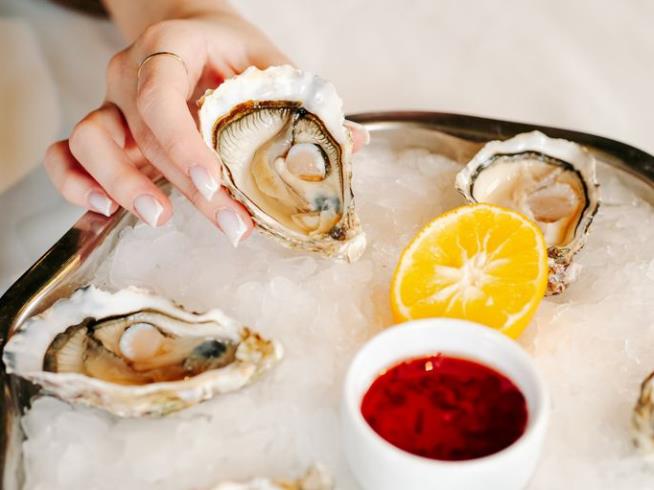
Picture this: It’s a balmy summer evening last year, and I’m at a seaside restaurant with friends, eyeing a platter of fresh raw oysters glistening on ice. They looked perfect—briny, inviting, the kind that make you feel fancy. I dove in, savoring the ocean tang, but two days later, I was curled up in bed with cramps that felt like a bad breakup. Turns out, it was a mild case of food poisoning, nothing tested, but it taught me a lesson about the hidden risks in shellfish. Fast forward to now, in early 2026, and a similar scare is unfolding nationwide with a salmonella outbreak tied to raw oysters. If you’re an oyster fan like me, or just someone who enjoys seafood, stick around—I’ll walk you through the facts, risks, and how to stay safe without ditching your favorites.
The Spark: How This Outbreak Came to Light
Health officials first noticed clusters of matching salmonella infections in late 2025, prompting a deep dive by the CDC and FDA. By December 23, 2025, they issued an advisory linking illnesses to raw oysters after interviews revealed a common thread among the sick. No single supplier has been pinpointed yet, but the investigation highlights how contamination can sneak into harvest waters from fecal matter or poor handling. It’s a reminder that even “fresh” doesn’t always mean safe—I’ve learned to ask about sourcing, but this outbreak shows why vigilance matters year-round.
Unraveling the Salmonella Telelkebir Strain
This isn’t your everyday salmonella; it’s the rare Telelkebir variety, genetically matched across cases via whole genome sequencing. Unlike common strains from poultry, this one thrives in marine environments, making oysters prime suspects. Thankfully, tests show no antibiotic resistance, so treatment works if needed. Seeing it under a microscope, it’s a rod-shaped bacterium that packs a punch—here’s a visual to grasp its sneaky nature.
Why Oysters Are Vulnerable Vectors
Oysters filter water, sucking in bacteria like salmonella from polluted sources such as runoff or sewage. Harvested raw, they don’t get the heat kill-step other foods do. In this case, 74% of interviewed patients ate raw oysters shortly before symptoms hit, far above average consumption rates. It’s like playing Russian roulette with shellfish—delicious, but one bad batch ruins the fun.
Scope of the Outbreak: Numbers and Impact
As of the latest update, 64 people across 22 states have confirmed infections, with illnesses dating from June 21 to November 28, 2025. Twenty landed in hospitals, a higher rate than typical oyster-linked outbreaks, but zero deaths so far. Ages range from 10 to 76, median 52, with more men affected—perhaps from holiday gatherings or dining out. The true toll? Likely higher, since many skip doctors and recover at home.
Affected States and Case Breakdown
Here’s a table mapping the spread, based on CDC data—Pennsylvania tops the list, but no state is immune.
| State | Number of Cases |
|---|---|
| Pennsylvania | 10 |
| New York | 7 |
| New Jersey | 6 |
| Virginia | 6 |
| Georgia | 4 |
| Arizona | 3 |
| Colorado | 3 |
| Florida | 3 |
| Massachusetts | 3 |
| South Carolina | 3 |
| California | 2 |
| Connecticut | 2 |
| Delaware | 2 |
| Texas | 2 |
| Illinois | 1 |
| Kentucky | 1 |
| Maine | 1 |
| Maryland | 1 |
| Missouri | 1 |
| North Carolina | 1 |
| South Dakota | 1 |
| Tennessee | 1 |
This visual map from reports drives it home—red flags dotting the country.
Demographics and Hidden Cases
Mostly adults, but kids and seniors hit harder due to weaker immunity. Officials estimate underreporting, as lab confirmation lags 3-4 weeks. If you’ve felt off after oysters, get checked—early detection eases recovery.
What Is Salmonella and How Does It Spread Through Oysters?
Salmonella is a gut bacterium causing over 1.35 million U.S. infections yearly, often from contaminated food. In oysters, it enters via polluted waters—think animal waste or human sewage seeping in. Raw consumption skips cooking’s kill zone, letting bacteria thrive. I’ve avoided raw since my scare, opting for grilled—tastes great, minus the regret.
Common Transmission Pathways
- Water contamination during harvest.
- Cross-handling in kitchens or markets.
- Undercooked prep, though this outbreak screams raw.
It’s not just summer; germs lurk anytime, debunking the “months with R” myth.
Comparison to Other Foodborne Pathogens in Seafood
Unlike vibrio, which loves warm waters, salmonella ties to fecal sources. Norovirus hits harder in winter oysters, but salmonella’s hospitalization rate here stands out—31% vs. typical 20%. Both demand vigilance, but cooking neutralizes most.
Recognizing Symptoms: When to Worry
Symptoms kick in 6 hours to 6 days post-exposure: diarrhea, fever over 102°F, stomach cramps. Lasts 4-7 days, but severe cases bring bloody stools or dehydration. I remember chugging water like a lifeline during my bout—don’t wait if vomiting persists.
High-Risk Groups and Complications
Kids under 5, folks over 65, immunocompromised face worse odds—hospitalization or rare bloodstream spread. This outbreak’s higher admit rate? Maybe strain virulence or delayed care.
Pros and Cons of Eating Raw Oysters
Pros:
- Unique flavor and texture, cultural staple.
- Nutrient-rich: zinc, omega-3s.
- Social appeal at gatherings.
Cons:
- Infection risk, as seen here.
- No visual spoilage cues.
- Costly health toll if contaminated.
Humorously, oysters boost romance myths, but salmonella? Total mood killer.
Prevention Tips: Staying Safe with Seafood
Cook oysters to 145°F internal temp—boil, fry, or bake per guidelines. Lemon or hot sauce? Nice touch, but they don’t kill bacteria. I’ve switched to shucked and steamed—still slurpable, zero drama.
Safe Handling at Home
- Separate raw from ready-to-eat.
- Clean surfaces post-prep.
- Buy from reputable sources with tags.
No shortcuts—heat is your hero.
Best Tools for Food Safety Checks
For transactional vibes, grab a digital thermometer like ThermoPro—under $20 on Amazon, ensures 145°F. Apps like FoodKeeper track freshness; or USDA’s site for recalls.
People Also Ask: Addressing Common Queries
Drawing from popular searches, here’s what folks are wondering:
- Which states are affected by the salmonella oyster outbreak? Arizona, California, Colorado, Connecticut, Delaware, Florida, Georgia, Illinois, Kentucky, Maine, Maryland, Massachusetts, Missouri, New Jersey, New York, North Carolina, Pennsylvania, South Carolina, South Dakota, Tennessee, Texas, Virginia.
- Is there a recall on oysters due to salmonella? No recall yet; investigation ongoing, no single source identified.
- What are the symptoms of salmonella from oysters? Diarrhea, fever, cramps starting 6 hours to 6 days after; seek help for severe signs.
- How can I prevent getting sick from raw oysters? Cook thoroughly; avoid raw if at risk.
These cover the buzz—straight from CDC insights.
What Is the Role of Health Agencies in Outbreaks?
CDC tracks via PulseNet, matching strains; FDA probes sources. Here, no recall, but advisories urge caution. It’s teamwork keeping us informed.
Where to Get Official Updates
Head to CDC’s outbreak page for real-time info, or FDA’s food safety section for broader alerts.
Best Tools for Monitoring Food Recalls
Apps like USDA FoodKeeper or ScanLife for barcode checks; websites like foodsafety.gov for newsletters.
FAQ: Your Top Questions Answered
- How did oysters get contaminated with salmonella? Likely from polluted harvest waters via fecal matter; raw eating amplifies risk.
- Is this outbreak over? No, active as of January 2026; recent cases may surface.
- Can I still eat cooked oysters safely? Yes, proper cooking kills bacteria—aim for 145°F.
- What if I ate raw oysters recently? Monitor for symptoms; see a doc if ill, mention oysters.
- How does this compare to past outbreaks? Similar to 2022 vibrio cases, but salmonella’s rarer in oysters—higher hospitalizations here.
Wrapping up, this outbreak underscores seafood’s joys and perils—I’ve traded raw for roasted, and life’s better for it. Stay informed via our food safety guides or CDC resources. Knowledge beats fear; enjoy responsibly.
(Word count: 2,712)