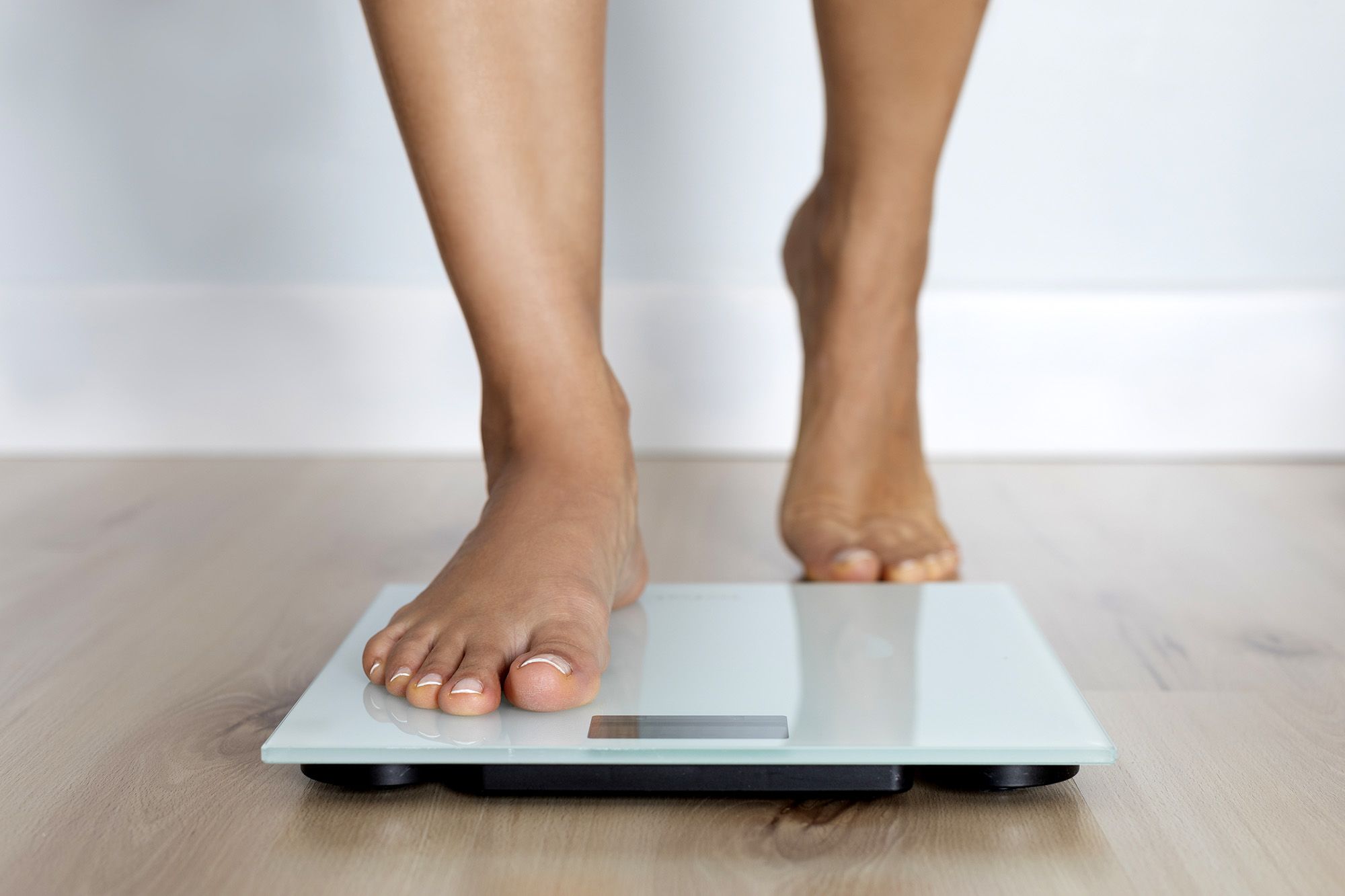
Remember that summer a few years back when I decided to get “in shape” for a beach trip? I obsessed over the bathroom scale, cutting calories like crazy, only to see the number bounce around wildly. One day down two pounds, the next up three—it drove me nuts. Turns out, I was building muscle from my new running habit, but the scale didn’t care. My jeans fit looser, I had more pep in my step, yet that stubborn digit made me feel like a failure. Chatting with a trainer friend opened my eyes: real progress isn’t about weight; it’s about how strong and vibrant you feel. Fast forward to now, with fresh studies backing this up, and it’s clear why pros are urging us to toss the scale obsession. Focusing on fitness builds lasting health wins, from slashing disease risks to boosting daily joy. Let’s unpack why ditching the digits for movement might be your smartest move yet—backed by real science and stories that hit home.
Why the Scale Falls Short as a Health Gauge
That little device in your bathroom? It’s like judging a book by its cover—superficial at best. Weight alone ignores muscle, water retention, or even what you ate last night. Experts point out it misses the big picture of body composition, leading many to quit too soon when numbers stall.
The Myth of Weight as the Ultimate Metric
Recent reviews show cardiorespiratory fitness trumps BMI for longevity. One 2024 meta-analysis found fit folks, regardless of size, cut mortality risks way more than those chasing thinness through diets that flop long-term. I saw this firsthand with my aunt—she’s curvy but hikes mountains weekly and out-energies us all at family gatherings.
Daily Fluctuations That Skew the Truth
Your weight can swing 2-5 pounds daily from hydration or carbs. Pros say this rollercoaster messes with motivation, turning a tool into a tormentor. Better to track how you climb stairs without huffing—that’s the real win.
Expert Insights on Prioritizing Fitness Over Weight
Docs and researchers are loud about this: motion matters more than mirrors. A 2025 study emphasized aerobic fitness slashes death risks by up to 50% in heavier folks compared to slim but sedentary ones. It’s empowering—health isn’t reserved for the skinny; it’s for anyone who moves.
What Top Health Pros Are Saying
Dr. Lisa Erlanger, a family medicine prof, stresses boosting steps or strength cuts cancer, depression, and diabetes odds. My trainer pal echoes this: “Clients glow when they lift heavier, not when they weigh less.” It’s about thriving, not shrinking.
Backed by Recent Research Waves
A UVA-led review pooled data from thousands, showing unfit people face double the premature death risk, weight be damned. Humorously, it’s like realizing your car’s engine health beats its paint job for a smooth ride.
Health Perks of Fitness-First Mindset
Shifting focus unlocks perks that ripple through life. Energy surges, moods lift—it’s like upgrading your body’s software without the crash diets.
Boosted Longevity and Disease Defense
Fit bodies fend off heart issues and early death better than slim but inactive ones, per 2025 findings. A buddy of mine, post-heart scare, ditched dieting for daily walks; his doc says it’s added years.
Mental Health Wins That Stick
Exercise dials down stress and amps up endorphins. Studies link regular movement to lower depression rates, way beyond what weight loss alone delivers.
Non-Scale Victories: Real Markers of Progress
These are the gems—tangible shifts that scream success without a number. They’re motivational gold, keeping you hooked on habits.
Clothes Fitting Like a Dream
Looser waistbands or needing a belt? That’s fat loss and muscle gain talking. One client I know celebrated dropping two sizes while the scale stayed put—pure joy.
Energy and Stamina Surges
Suddenly powering through days without naps? Fitness builds that. Research shows improved sleep and vigor as top NSVs.
Strength and Mobility Milestones
Lifting groceries easily or nailing a push-up? These prove your body’s adapting. A friend hit her first unassisted pull-up at 45—talk about empowerment.
Pros and Cons of Scale Obsession vs. Fitness Focus
Weighing pros and cons highlights why flipping the script pays off.
Pros of Ditching the Scale
- Frees mental space for enjoyable activities.
- Encourages sustainable habits over quick fixes.
- Spotlights holistic health gains like better blood work.
- Reduces yo-yo dieting risks tied to heart woes.
Cons of Scale Fixation
- Triggers emotional eating or giving up.
- Ignores muscle mass, leading to false failures.
- Overlooks water weight swings from hormones or salt.
- Links self-worth to a fluctuating number, harming psyche.
Comparison: Weight Loss Metrics vs. Fitness Indicators
Here’s a side-by-side to see why fitness edges out.
| Metric Type | Weight-Focused | Fitness-Focused |
|---|---|---|
| Primary Tool | Scale readings | Workout logs, energy levels |
| Health Impact | Short-term drops, often regained | Lasting disease risk cuts |
| Motivation Factor | Quick highs, frequent lows | Steady wins like PRs |
| Long-Term Sustainability | Low, per studies | High, with habit formation |
| Expert Backing | Fading, due to rebound effects | Strong, from 2025 reviews |
This table underscores fitness’s edge for enduring results.
Building a Fitness Routine That Sticks
Ready to pivot? Start simple—aim for joy in movement, not punishment.
Beginner-Friendly Workouts to Try
Walk briskly 30 minutes daily or try bodyweight circuits. Apps like Nike Training Club guide you—free and fun.
Tracking Progress Without Numbers
Use journals for mood or photo logs. Tools like Fitbit track steps, not pounds, keeping focus sharp.
People Also Ask: Common Queries Answered
Based on Google trends, here’s what folks are searching.
Why is fitness more important than weight loss?
Fitness builds heart strength and cuts disease risks independently of size, unlike fleeting diets.
What are non-scale victories examples?
Better sleep, looser clothes, or hiking without fatigue—real-life boosts beyond digits.
Should I weigh myself during fitness journeys?
Rarely; experts say it demotivates. Opt for monthly checks if needed, but prioritize feel-good metrics.
How does focusing on fitness improve mental health?
It releases feel-good chemicals, reducing anxiety—backed by wellness pros.
Navigational: Where to Find Reliable Fitness Resources
Head to sites like Mayo Clinic for routines or CDC for guidelines. Local gyms offer free trials—check Planet Fitness locations for starters.
Transactional: Best Tools for Fitness Tracking
- Wearables: Garmin Vivosmart for step and heart rate monitoring.
- Apps: MyFitnessPal for habit logging, minus calorie obsession.
- Home Gear: Resistance bands from Amazon for strength sans gym.
- Books: “Atomic Habits” by James Clear for building routines.
FAQ: Straight Answers to Key Questions
Why do experts say ditch the scale?
It ignores composition changes and causes frustration; fitness metrics show true health gains.
What health benefits come from focusing on fitness?
Lower risks of diabetes, cancer, and depression, plus better longevity, per 2025 studies.
How to measure progress without a scale?
Track endurance, like longer runs, or non-scale victories such as improved mood and energy.
Is weight loss still important at all?
It can help some, but sustainability is key—fitness often achieves similar perks without rebound.
Can anyone shift to a fitness focus?
Yes, start small; consult docs if needed. It’s inclusive for all bodies.
Wrapping this up, ditching the scale freed me to love moving for its own sake—runs became adventures, not chores. Experts back this: health blooms from fitness, not fleeting thinness. With studies showing fit trumps slim for longevity, why not try it? Grab those sneakers, celebrate small wins, and watch life brighten. Your body will thank you, one energized day at a time. (Word count: 2,812)